Grimoire 017 · Behind the Facade
12 essays · quiet trades · anonymized field notes · free, no gate
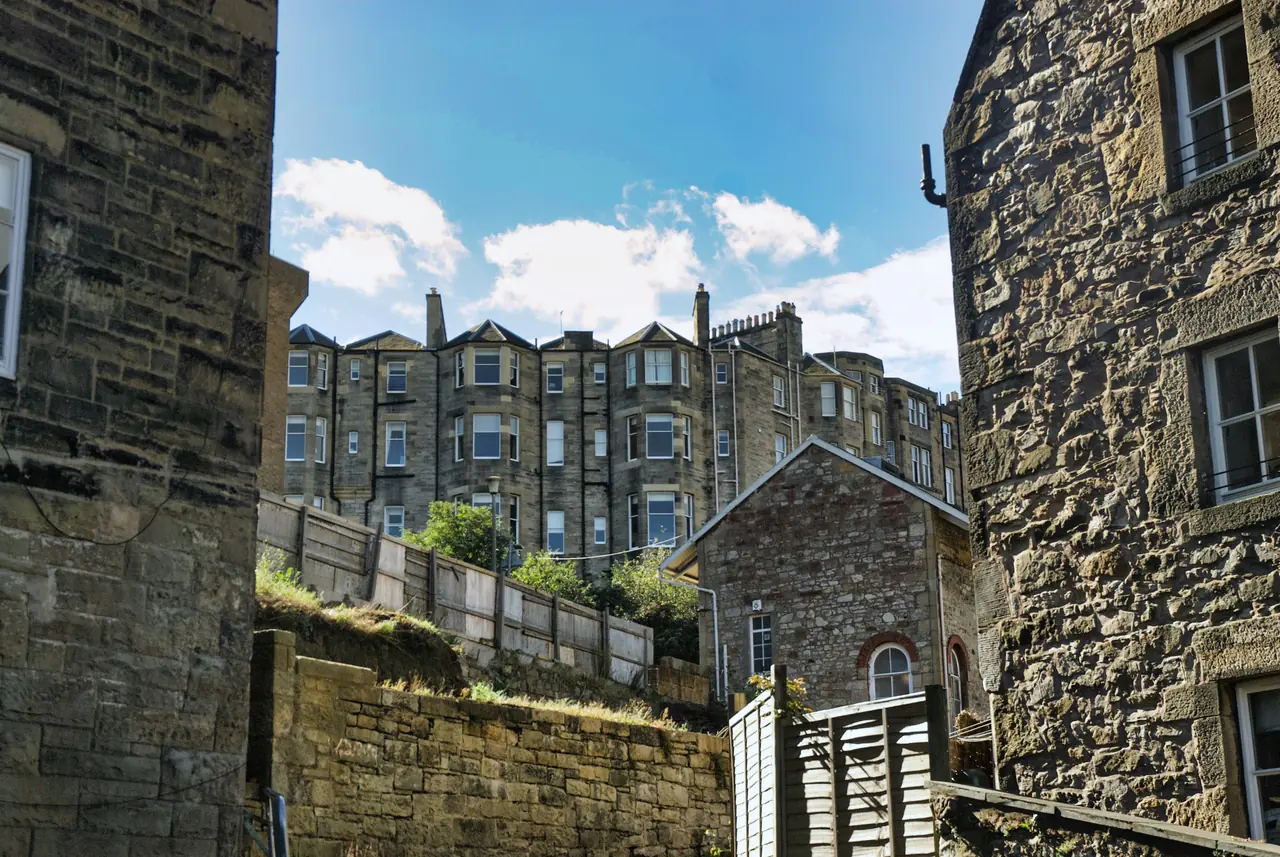
Stone Edinburgh facade with sash windows and a doorway
Grimoire 017 · anonymized field notes

Behind the facade

Field Notes from the Quiet Trades: essays on glass, stone, failure, memory, and the invisible work that lets ordinary buildings endure. Drawn from anonymized glazing operations notes, the essay explores how real trade work exceeds what a CRM pipeline can show.

quiet trades field empathy Edinburgh as character anonymized operations

The job is not the pipeline. The pipeline is the visible trace.

This Grimoire treats glazing as a city-scale act of care. A window is not only a product. It is an opening in stone, a planning question, a measure of heat and privacy, a supplier dependency, a fitting risk, and a promise made to a person living behind it.

A private glazing project is the lens, not the whole subject. The larger subject is why ordinary civilization keeps working: because quiet trades keep returning to old buildings, old streets, old materials, and new failures before anyone else has to notice.

Three Lenses

art, city, system
01 · Art

Glass as city light.

Stone, rain, sash windows, reflective glass, and narrow streets make the threshold between inside and outside visible.

  • Light changes the character of glass
  • Repair can preserve a room's atmosphere
  • Craft becomes visible through detail
02 · City

Edinburgh as character.

Morning rain, buses, sandstone, coffee cups, delivery vans, old stairwells, new glass, and the castle watching over everything: the city is not a setting. It is a participant.

  • The newest object may be the window
  • Old buildings as active systems
  • Stone, weather, and public memory
03 · System

The office remembers.

The admin layer translates scattered job reality into quotes, deposits, supplier orders, diary holds, remedials, follow-ups, and aftercare memory.

  • CRM as a map, not the territory
  • Supplier chain visibility
  • Human judgement before automation

Prologue: the ordinary surface is the interesting one.

Most people only notice glazing when it fails. A window mists between panes. A handle sticks. A door drops. A room feels cold. A pane breaks. A customer sees the visible problem and asks for the visible fix.

The trade sees a longer story. It sees whether the existing frame can survive the repair. It sees whether the opening is square, whether the sill has moved, whether the glass is patterned or plain, whether the customer is asking for privacy, warmth, security, silence, or the same look they already have.

Behind the Facade begins when the job file stops looking like the work. The CRM says "survey booked." The site says: stone, access, sash weight, rain, stairs, parking, conservation, lead time, supplier response, customer expectation, and one exact measurement that cannot be guessed.

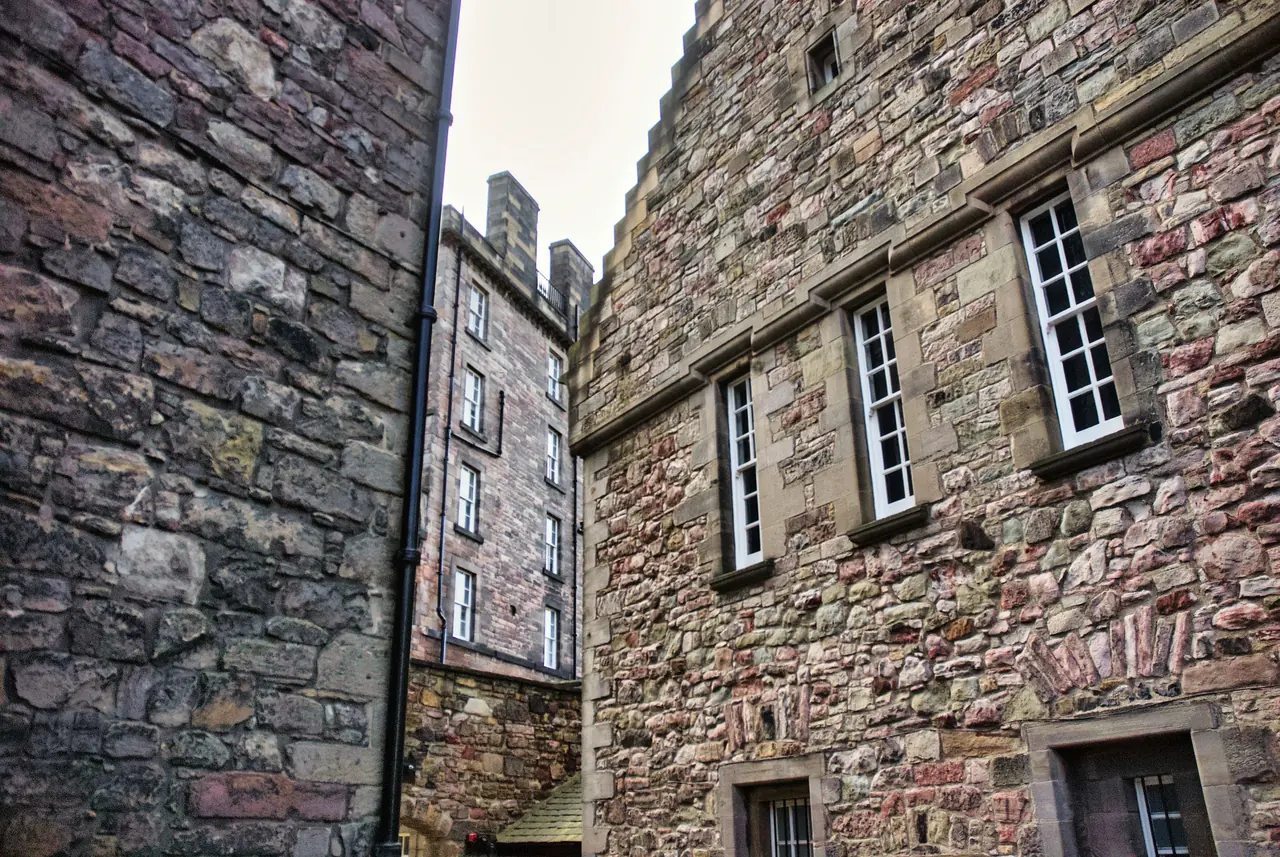
Old stone buildings with windows in a narrow Edinburgh alley
Edinburgh stone, windows, access, weather, and age

Address as clue

213/9 is not just a label. It can imply a flat, a stair, a carrying route, a parking constraint, a neighbour context, and a job that starts before the van arrives.

The facade is not always yours

In heritage settings, the outside face of a building can belong partly to the street, the planning authority, the building's history, and the shared visual fabric of the city.

Trade knowledge is local

A system for this kind of work has to remember the material reality: glass patterns, sash proportions, hardware, supplier limits, lead times, access, and customer communication.

Edinburgh is a city where the newest object in the street might be the window.

Morning rain darkens the sandstone before the shops are fully awake. Buses move along the road with their windows fogged at the edges. People carry coffee past buildings older than their grandparents. A delivery van noses into a space it should not quite fit. Somewhere above the pavement, behind a sash, a room is colder than it should be.

This is the city the work enters. Not "historic Edinburgh" as a postcard phrase, but Edinburgh as a living material problem: stone that remembers weather, stairwells that narrow the body, committees that protect a shared face, flats stacked above streets, new glass asked to behave politely inside old openings.

The castle looks over everything with the indifference of old stone. Below it, tradespeople keep negotiating with the smaller stones: sills, lintels, reveals, steps, facades, thresholds. A beautiful street is not a fixed thing. It is a maintained agreement.

Field Notes From A City Job

what a clean field cannot fully hold
Street

Access is part of the specification.

A third-floor flat, narrow stairwell, controlled parking zone, shared entrance, or busy street can change the job before anyone talks about glass. The route to the opening matters almost as much as the opening.

Stone

Old buildings are not neutral containers.

Stone settles. Openings drift. Previous repairs leave evidence. The surveyor is reading a small piece of architecture, not just collecting dimensions for a quote.

Neighbourhood

The outside face belongs to more than one person.

A customer may own the desire for change, but the street may own the visual continuity. Conservation areas and shared committees turn taste into process.

Weather

Scotland is a project manager.

Cold, rain, wind, and daylight are not background mood. They affect installation timing, sealants, working comfort, customer urgency, and the emotional meaning of a warm room.

Memory

The useful note is the note that survives handoff.

Photos, sketches, supplier replies, customer preferences, and odd little details must travel from inquiry to survey to quote to order to install without losing their meaning.

Care

Completion is not the end of the relationship.

Aftercare, remedials, warranty expectations, and future work all depend on whether the business can remember what happened when the job was still alive.

A survey begins before the tape measure leaves the van.

The street has already said something. The stair has said something. The height of the flat, the shape of the opening, the age of the stone, the customer's tone, the weather, the place the van can or cannot stop: all of it is already part of the job.

Only then does the tape measure come out. The surveyor is not merely collecting dimensions. They are deciding which details matter enough to survive into the quote, the order, the diary, and the hands of the installer.

This is why an operating system should never pretend the job begins with a clean form. The form is a late stage in the knowledge process. Before the form, there is a building. Before the building becomes data, someone has to read it.

Glass Is Not Just Glass

materials as decisions
Unit

DGU / sealed unit

The default phrase can hide the real decisions: cavity, spacer, low-e coating, argon, thickness, sightline, and whether only the unit or the whole frame is changing.

  • thermal performance
  • misted unit replacement
  • manufacturing lead time
Safety

Toughened / laminated

Safety glass is a regulatory and risk question, not just an upgrade. Location, height, doors, side panels, and human movement all change the spec.

  • impact zones
  • doors and side screens
  • security vs break pattern
Privacy

Obscure / patterned

Patterned glass is practical and aesthetic at once. It must hide, match, soften, or preserve a room's character, and discontinued patterns become detective work.

  • reeded
  • stippolyte
  • sandblast effect
Future

Smart / switchable

PDLC glass and smart films turn privacy into a control state. They belong in the Grimoire as a contrast between ancient facades and programmable surfaces.

  • privacy on demand
  • wiring and control
  • modernity inside old rooms

What Is Invisible Here?

the recurring question
Glass

The clear pane is full of hidden decisions.

Coatings, gas, spacer bars, seals, thickness, safety treatment, and manufacturing tolerances disappear the moment the unit looks clean.

Survey

The invisible part is experience.

A survey begins before the tape measure leaves the van. The first measurement is often the building itself: age, access, weather, risk, and previous repair.

CRM

The invisible part is judgement.

A status can say "quoted." It cannot say whether the quote is fragile, whether the customer needs reassurance, or whether one supplier answer could change the job.

Supplier

The invisible part is manufacturing.

The customer sees a number. Behind it sits a chain of availability, lead time, profile, pattern, production tolerance, delivery, and exception handling.

City

The invisible part is permission.

Some constraints do not appear until they stop the job: listed status, conservation rules, committee approvals, factor decisions, or the visual duty owed to the street.

Craft

The invisible part is disappearance.

Good glazing vanishes into the building. Good plumbing, wiring, stonework, joinery: the quiet crafts are noticed most clearly when they fail.

Entropy: every building is losing a fight.

Paint lifts. Seals perish. Timber moves. Hardware loosens. Gas escapes. Stone drinks rain. Water finds the smallest path. Time is patient enough to become damage.

Tradespeople do not defeat entropy. They slow it down. A good repair is not a victory over time; it is a treaty with time, renewed in silicone, glass, timber, iron, and care.

Time: thirty years depends on five hours.

A window may last thirty years. The quote may take three days. The survey may take an hour. The installation may take five hours. The strange proportion is the point: decades of comfort can depend on a handful of careful decisions.

This is why small work is not small. A tiny error in the hour of attention can become a decade of irritation. A careful hour can disappear for a generation.

Cities remember through materials: glass, stone, timber, iron.

Memory principle

Memory is not only in archives.

A city remembers in what it keeps using. The worn stone step. The brass handle polished by hands. The timber frame repaired instead of discarded. The old pane whose unevenness softens the room.

Paperwork remembers one version of the job. Materials remember another. The most respectful systems do not force the material memory to become a checkbox. They make room for it, because sometimes the point is not to make the building new. Sometimes the point is to help it continue.

The Hidden Operating System

from inquiry to aftercare

Every visible unit has invisible dependencies.

The visible status is only one surface. The real system is the chain of observations, confirmations, constraints, documents, deposits, supplier responses, schedule decisions, and customer trust.

01LeadInquiry, location, photos, urgency, desired outcome.
02SurveyMeasurements, access, condition, constraints, judgement.
03SpecGlass type, frame, hardware, pattern, privacy, safety.
04SupplyManufacturing, availability, lead time, exceptions.
05InstallDiary, deposit, access prep, fitter notes, snag risk.
06CareWarranty, remedials, aftercare, memory for next time.

The Broken Window

failure as a philosophy of systems

Every craft is defined more by failure than success.

Failure principle

Failure is how the hidden system speaks.

Not only the literal broken window. The cracked unit. The scratched pane. The discontinued pattern no supplier can match cleanly. The wrong slab. The delayed order. The committee approval that arrives too late. The unit that looks simple until the building refuses to be simple.

Success makes the system disappear. Failure draws its outline. Suddenly everyone can see the dependency chain: the survey note, the supplier email, the quote wording, the expectation set with the customer, the decision someone forgot to record, the assumption that travelled too far.

Failure is not merely an embarrassment. It is an x-ray. Every crack reveals how the work is actually held together.

The Chain Behind The Quote

supplier work as invisible architecture
Customer asks "Can you replace this?" The request arrives as a visible problem, usually without all technical context. The office needs photos, address, urgency, approximate scope, access notes, and enough language to route the request intelligently.
Surveyor reads The site becomes information. Measurements, frame condition, material, opening style, safety requirement, and hidden constraints are gathered. The important part is not only what is measured, but what is noticed and explained.
Supplier answers The market pushes back. Some units are straightforward. Others depend on pattern availability, profiles, manufacturing limits, or special order lead times. Supplier emails are part of the job memory and should not vanish into inbox archaeology.
Office composes The quote becomes a promise. Scope, price, validity, deposit, timeline, exclusions, and next steps are packaged into something a customer can trust. This is where communication style matters: clear, calm, precise, warm, and never falsely certain.
Installers finish The system returns to the wall. The order becomes a physical unit, fitted by people carrying tools through real homes. Aftercare closes the loop: warranty notes, remedials, customer satisfaction, and future reference.
A bespoke trade does not need less structure. It needs structure that respects exceptions.

Systems thesis

The record was not wrong. It was incomplete.

A pipeline can show where a job is supposed to be. It cannot, by itself, explain why a quote is waiting on a supplier, why a survey note matters, why a customer has not paid a deposit, why a committee decision changes the schedule, or why one detail from an old email is the key to avoiding a return visit.

The lesson is not "CRM bad." The lesson is that the CRM must be designed as an index to reality, not a replacement for it. It should point to photos, survey details, supplier decisions, payment state, diary constraints, and unresolved risks.

The interesting system is not a software stack diagram. It is the translation layer between craft knowledge and business continuity.

Three Ways To Read The Work

choose the lens

Use the controls to look at the same operation through heritage, glass, or memory. Each lens changes the image and the question the system has to remember.

Stone buildings in Edinburgh under blue sky

Heritage lens

Old buildings make new work answer to history: listed status, conservation areas, shared facades, visual continuity, and the slower ethics of repair.

The Admin's View

remote work inside physical craft

Remote admin is not distant from the work. It is close to the handoffs.

The admin may never touch the glass, but they touch almost every promise surrounding it. They see the customer worry, the supplier delay, the invoice reminder, the quote revision, the calendar squeeze, and the installer note that needs to become an action before it becomes a problem.

That position creates a special kind of knowledge. It is not master-craft knowledge. It is connective knowledge. The admin learns where information goes missing, which statuses are too vague, which fields arrive too late, which follow-ups protect trust, and which tiny details should be captured because someone will need them later.

This is why G017 belongs in the Working Library. It is not only about windows. It is about learning that operations design begins with respect for the work that already exists.

What the office must remember

Who: customer, decision-maker, tenant, factor, committee, supplier, installer, surveyor.

What: requested outcome, actual spec, exceptions, quoted scope, exclusions, deposit state.

Where: address format, access, floor level, parking, room, elevation, visible facade.

When: survey date, quote expiry, payment date, manufacture lead time, install window, remedial follow-up.

Why: privacy, warmth, safety, visual continuity, damage repair, sale/rental readiness, heritage compliance.

The Quiet Crafts

Good glazing disappears. So does good plumbing. Good electrical work. Good stonework. Good joinery. Good drainage. Good scheduling. Good documentation.

The quiet crafts are the kinds of work people rarely praise while they are working. They become visible through interruption: water where water should not be, cold where warmth should be, a switch that does nothing, a door that will not close, a pane that clouds from the inside.

This is the larger theme hiding inside the private glazing lens. The Grimoire is not finally about glazing, software, or even Edinburgh. It is about the class of work that allows ordinary life to continue without announcing itself.

Rules For The Future System

what the Grimoire can teach builders
01

Never flatten a site into a status.

A status should summarize, not erase. Every key stage needs space for context: photos, access notes, survey findings, supplier dependencies, and customer constraints.

02

Make exceptions first-class citizens.

Bespoke work fails when exceptions hide in email threads. If a pattern is discontinued, a committee is pending, or a unit is unusual, the system should carry that fact forward visibly.

03

Capture expertise without slowing experts down.

Surveyors and installers should not become data-entry clerks. The system should make the right note easy, fast, and useful enough that capturing it feels like protection, not admin theatre.

04

Design for the next person in the chain.

Every note should answer a handoff question. What does quoting need? What does ordering need? What does installation need? What will aftercare need three months later?

05

Treat payment as scheduling information.

A deposit is not just finance. It changes commitment, purchasing, diary confidence, and customer expectation. The system should connect money movement to operational readiness.

06

Preserve tone as part of quality.

Clear, warm customer communication is operational infrastructure. A good system helps the business sound like itself while staying precise about uncertainty, timing, and next steps.

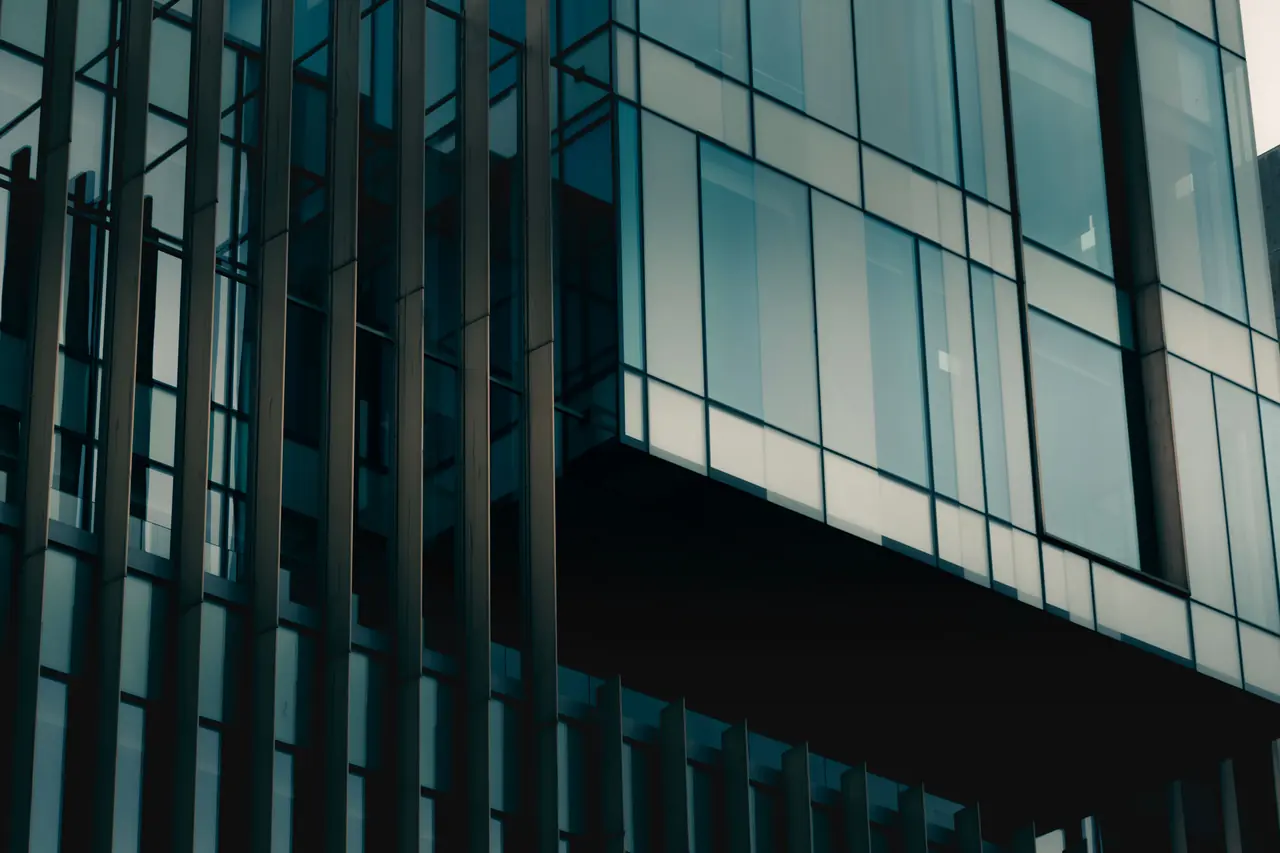
Modern glass architecture in Edinburgh Modern glass as the future layer
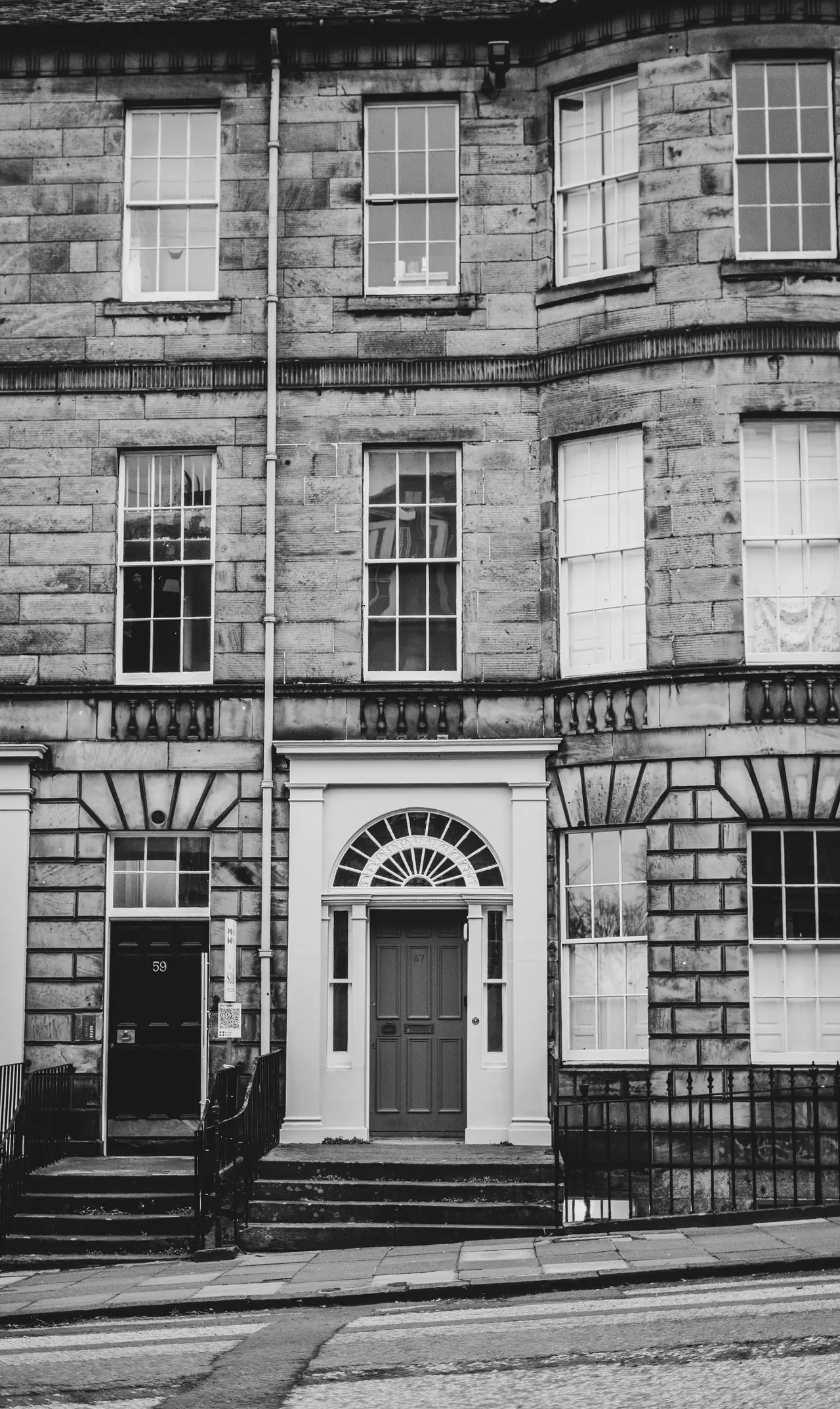
Moody Edinburgh street with historic and modern architecture City texture as the old layer

Object Studies

small tools, long stories
Tape measure

An instrument of trust.

Not just a tool. The tape measure is where conversation becomes commitment. A number written down badly can travel through the whole system disguised as truth.

Spacer bar

The hidden distance.

The customer almost never sees it, yet it helps decide whether the unit performs, whether the edge holds, and whether the glass stays clear instead of misting.

Glazing shovel

A tiny tool with decades inside it.

Simple, almost forgettable, refined by repetition. Some objects are not impressive because they are complex. They are impressive because they became exactly enough.

Silicone

The last thing applied, the first thing noticed.

When it is clean, nobody thinks about it. When it is messy, it becomes the signature of the whole job. Finish is not decoration; finish is evidence.

Handle

The daily handshake.

A window or door is judged through the body. The handle is where hardware becomes feeling: resistance, alignment, certainty, annoyance, trust.

Old glass

Memory you can see through.

Pattern, waviness, privacy, scratches, tint, and age can make a pane part of a room's memory. Replacement is sometimes a technical act and sometimes a small act of editing history.

Chapter Spine

12-part web/book structure
01

The City of Openings

Windows and doors as the places where weather, privacy, light, and architecture negotiate.

02

The Surveyor's Eye

Observation as the first system: measure, angle, access, material, risk, and memory.

03

Glass Has Dialects

DGU, toughened, laminated, obscure, reeded, patterned, privacy, heat, safety, and continuity.

04

Frames Remember

uPVC, timber, sash, case, ironmongery, profile, tolerances, and the politics of visible change.

05

The Facade Is Public

Planning, listed buildings, conservation areas, house committees, and visual responsibility.

06

The Supplier Chain

Hidden partners, quotes, lead times, manufacturing exceptions, and the craft of chasing calmly.

07

The Record Was A Shadow

Trade software as a surface over a deeper system of notes, photos, judgement, and exceptions.

08

The Office That Remembers

Remote admin as translator: turning messy reality into next actions without flattening the craft.

09

Deposits And Trust

Payments, quote validity, booking discipline, and how money becomes a schedule commitment.

10

The Broken Window

Cracked units, scratched glass, wrong slabs, discontinued patterns, delays, committees, and the x-ray of failure.

11

Smart Glass, Old Streets

PDLC, electrochromic glass, films, privacy technology, and modernity meeting heritage.

12

The Quiet Crafts

The final argument: civilization keeps working because invisible specialists maintain the everyday surface.

Glossary Of The Invisible

terms that carry the world
Facade

The public face of private work.

The outside surface of a building, but also the metaphor for every clean-looking system that hides negotiation, maintenance, and judgement behind it.

DGU

A sealed decision.

A double glazed unit is a product, but in the job story it is also a bundle of measurements, performance choices, lead times, and manufacturing commitments.

Obscure glass

Privacy as pattern.

The quiet art of letting light through while keeping life hidden. In older homes, the pattern can become part of the memory of the room.

Lead time

Time made visible.

The distance between promise and installation. It is shaped by supplier capacity, special materials, diary pressure, payment, and the customer's patience.

Remedial

The afterlife of the job.

A remedial is not merely a problem. It is the system proving whether it can remember, return, explain, and preserve trust after the invoice.

Admin

The keeper of continuity.

Not the person outside the craft, but the person responsible for helping the craft survive translation between people, software, suppliers, and time.

What this proves

Systems design requires field empathy, not just software knowledge.

This essay shows how I translate messy operational reality into structure without flattening the work: what should become a field, what belongs in a note, what needs a handoff, and what should remain human judgement.

The portfolio value is not simply "I can make a CRM." It is "I can learn the craft well enough to design around it."

Moody Edinburgh street with old stone and modern city life

Tomorrow morning

Someone will walk past the house. They will never know a window was replaced. They will never know a committee debated it, a surveyor measured it, a supplier manufactured it, an installer carried it up four flights of stairs, or someone in another country updated the paperwork that allowed it to happen.

They will simply see another beautiful street.

That is what good craftsmanship looks like. It disappears into the city.

Credits And Sources

sources and safeguards
Source notes

Built from anonymized private field notes. Company identifiers, personal names, and internal process details have been removed or generalized for publication.

Anonymization

This is a personal Working Library essay about quiet trades and systems. It is not an official page for any client, contractor, or supplier.

Planning context

Edinburgh window replacement context checked against City of Edinburgh Council guidance.

Heritage context

Listed building and conservation consent context checked against Historic Environment Scotland.

Sample images

Hero facade by Jorgen Hendriksen on Unsplash. Alley and stone-sky images by @paws_and_prints on Unsplash.

Sample images

Modern glass and moody Edinburgh street samples by Saul Bandera Brotheridge on Pexels / Pexels.